
Interior Design · Bedroom
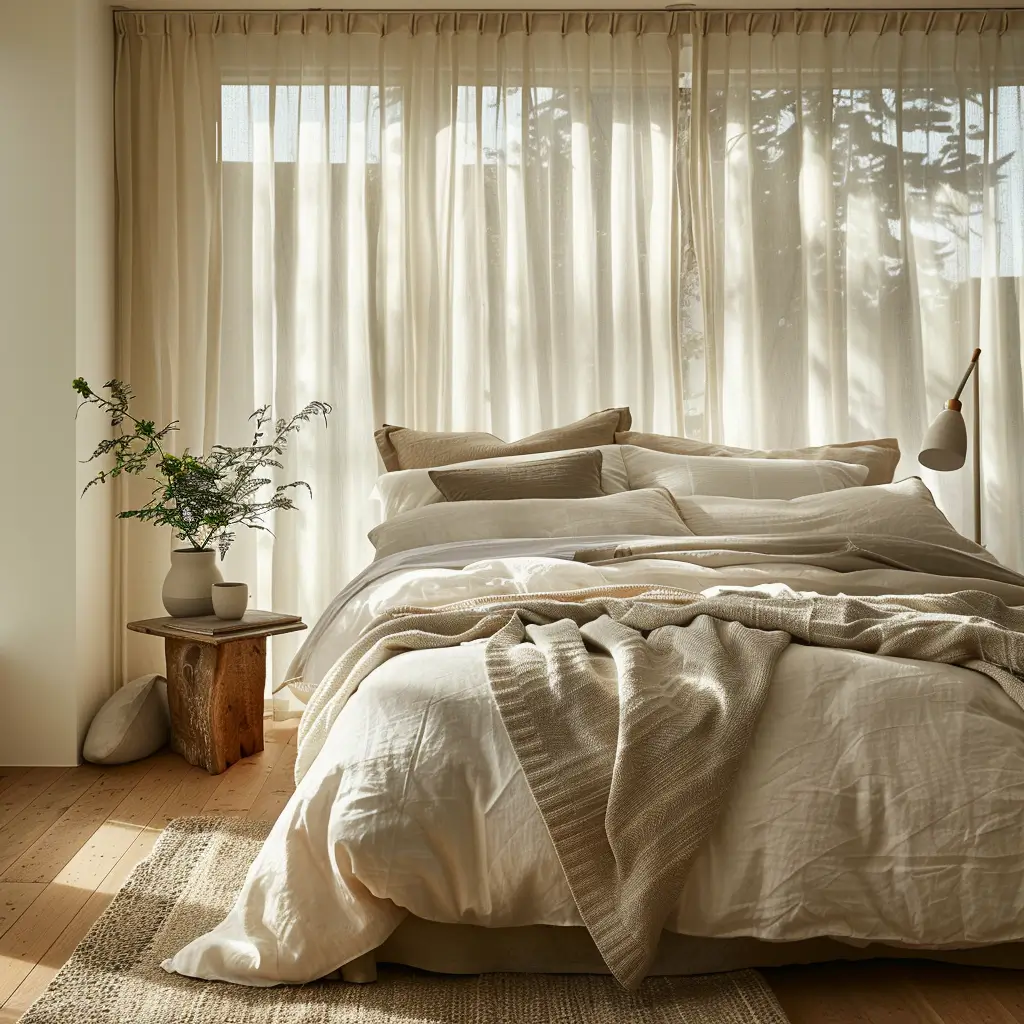
From layout to lighting — everything you need to transform your bedroom into a space you love.
By WarmNooks Editorial · April 14, 2026 · 8 min read
“Your bedroom should be the one room in your home that feels entirely yours — a retreat from the noise, a place where calm is built into the walls.”
Designing a bedroom can feel overwhelming, but it doesn’t have to be. Whether you’re starting from scratch or just refreshing an existing space, this guide walks you through every key decision — from picking the right color palette to getting the lighting just right.
1 Start with a clear style vision
Before buying a single item, decide on a design style. Your bedroom will feel more cohesive and intentional when everything speaks the same visual language. Some popular styles to consider:
MinimalistClean lines, neutral tones, clutter-free surfaces. Less is always more.
BohemianLayered textures, warm earth tones, plants, and collected pieces.
ScandinavianFunctional simplicity, natural wood, soft whites, and cosy textiles.
Modern LuxuryRich fabrics, statement headboards, moody palettes, and metallic accents.
Pick one and stick with it as your guiding filter for every purchase decision.
2 Choose the right color palette
Color sets the emotional tone of your bedroom more than any other element. For a restful space, lean toward soft, muted tones — they calm the nervous system and make sleep easier.
Pro tip
Use the 60-30-10 rule: 60% dominant color (walls/large surfaces), 30% secondary color (bedding/furniture), 10% accent color (cushions/accessories).
If you love bold color but want restful sleep, consider using it only on one accent wall — the wall behind your headboard is the perfect place.
3 Get the bed placement right
The bed is the anchor of the room, so its placement matters enormously. As a general rule, center the bed on the main wall (usually the one facing the door), with equal space on both sides for balance and ease of movement.
Layout checklist
Leave at least 60–90 cm of walkway on each side of the bed. Position the bed so you can see the door from it — this creates a subconscious sense of safety that improves sleep quality.
4 Layer your lighting
Single overhead lighting is the most common bedroom mistake. Great bedroom lighting has three layers working together:
AmbientSoft overhead or ceiling light — the general fill light for the whole room.
Task lightingBedside lamps or wall sconces for reading without disturbing a partner.
Accent lightingLED strips, fairy lights, or a feature lamp to add warmth and mood.
Dimmer switchesInstall dimmers on every circuit. This one upgrade transforms a room.
5 Invest in quality bedding
Your bed is where you spend a third of your life — it’s worth the investment. Choose natural materials like cotton, linen, or bamboo for breathability. Layer textures with a flat sheet, duvet, and a throw for visual depth and practical warmth control.
A good rule: keep your bedding palette simple (two or three tones at most), and add personality through cushion arrangement and throw placement.
6 Manage storage without sacrificing style
Clutter is the enemy of a restful bedroom. Build storage into your design from the start — under-bed drawers, a stylish ottoman at the foot of the bed, built-in wardrobes, or floating shelves. The goal is a home for every item so surfaces stay clear.
7 Add life with plants and personal touches
Plants bring warmth, clean the air, and add organic texture that softens hard furniture. Easy-care bedroom plants include pothos, snake plants, peace lilies, and rubber trees. Add a scented candle, a few curated books, or framed artwork that genuinely makes you happy when you see it.
The best bedrooms feel personal — not like a hotel room, not like a showroom. Make it unmistakably yours.